
Oil has harmed the nature and people of the Niger Delta; human rights may save it
SUSTAINABLE SOLUTIONS: Oil has harmed the nature and people of the Niger Delta; human rights may save it. Read it as a test of deployment, maintenance, and repeat demand.

SUSTAINABLE SOLUTIONS: Oil has harmed the nature and people of the Niger Delta; human rights may save it. Read it as a test of deployment, maintenance, and repeat demand.
Direction visible
Treat this as a reported direction or planned move. The signal matters, but details, enforcement, financing, or delivery may still change.
Scan the signal before reading the analysis.
- Signal level
- Emerging Trend
- Signal strength
- Medium
- Time horizon
- 0-18 months
- Human impact
- Medium
- Economic impact
- Medium
- Governance impact
- Low
- Confidence
- Medium
What the source is actually reporting.
On this week’s episode of the Mongabay Newscast, I speak with travel writer Noo Saro-Wiwa. She has documented the violence and natural destruction that the presence of oil...
Mongabay is the source captured by the GCE crawler.
A solution is being pushed from concept or announcement toward practical adoption.
Published Jul 21, 2026. GCE classifies it as emerging trend in SUSTAINABLE SOLUTIONS.
The article, rewritten as a brief.
GCE rewrites the reported signal in its own words from the crawled source excerpt, title, source, date, and operating lane. It is a reader-friendly digest, not a copy of the publisher article, and it is not permission to repost the publisher's full text, image, or reporting elsewhere.
Mongabay is reporting a emerging trend connected to sustainable solutions. The core reported point is this: On this week’s episode of the Mongabay Newscast, I speak with travel writer Noo Saro-Wiwa. She has documented the violence and natural destruction that the presence of oil companies have...
For a green-transition reader, the important detail is not only the headline. The story sits inside sustainable solutions, where a solution matters only when deployment, maintenance, resource impact, and repeat demand are visible. This means the reported move should be read through market access, evidence, delivery capacity, buyer behavior, and the operating boundary it may change.
The timing also matters. The item was published on July 21, 2026, and GCE classifies it as emerging trend with medium confidence. That means the direction is visible enough to watch, but the practical outcome still depends on follow-through, implementation details, and whether other sources confirm the same movement.
The useful takeaway is practical: keep the source fact separate from the interpretation, then ask what must be checked next. For this brief, the next checks are who gains access, who faces pressure, what proof is required, which suppliers or buyers are affected, and whether the reported change becomes a repeatable pattern rather than a single news item.
Chip reads this as a green-transition signal, not just a headline: On this week’s episode of the Mongabay Newscast, I speak with travel writer Noo Saro-Wiwa. She has documented the violence and natural destruction that the presence of oil companies have...
In SUSTAINABLE SOLUTIONS, a solution matters only when deployment, maintenance, resource impact, and repeat demand are visible.
The decision test is practical: does this change evidence, cost, delivery, risk, buyer access, or the next operating step?
The consequence is more important than the headline.
Solutions matter when they move from demonstration into repeatable material, energy, or nature outcomes.
Project Impact
The practical test is whether the solution works outside the pilot and can be maintained by real users.
Business Impact
Useful solutions can lower cost, improve resilience, or open new procurement options if adoption friction is low.
Governance Impact
Governance is secondary unless the solution changes reporting, permitting, safety, or standards exposure.
Market System Impact
Small deployment signals become important when they repeat across markets and start changing baseline expectations.
Follow the incentives, not the announcement.
- Early adopters: They learn faster and can shape procurement before the market hardens.
- Solution providers: They gain traction when proof moves beyond demonstration language.
- Legacy suppliers: They face pressure if the new solution reduces cost or improves resilience.
- Pilot-only projects: They lose credibility if they cannot show maintenance, buyers, or measurable impact.
Trust improves when the angles are visible.
The question is whether the solution can be installed, maintained, and measured.
The decision depends on cost, reliability, service, and proof of impact.
The solution matters if it improves resilience without shifting hidden costs onto users.
Primary action: Observe
- Watch whether adoption repeats beyond one announcement.
- Check maintenance, buyer demand, and measured resource impact.
- Do not treat demonstration as scale until operations are visible.
This signal belongs to a wider GCE category pattern.
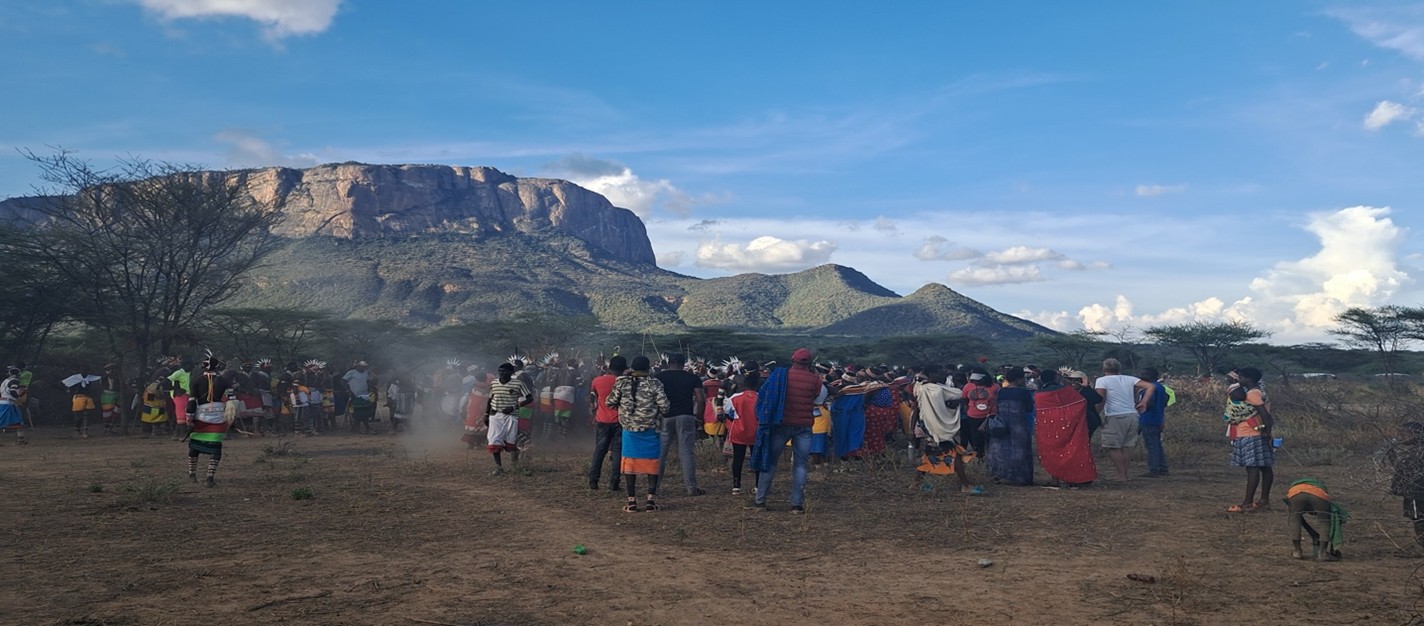 The Revelator · Jul 22
Who Really Benefits from Community Conservancies? Rethinking Equity in Kenya’s Conservation Model
 The Conversation (Environment) · Jul 22
The National Climate Assessment is broken – appointing Matthew Wielicki to lead it won’t help
 Mongabay · Jul 22
In southern India, beekeeping helps Indigenous women earn more
Source and evidence still matter.
This page is a Chip interpretation of the original article. It is not the original article. Please read the original source for the full report.
Source: Mongabay · Published Jul 21, 2026.
What readers are saying.
No comments yet
Oil has harmed the nature and people of the Niger Delta; human rights may save it
This brief does not have any reader comments yet.